
What Is Reiki? Understanding Energy Healing
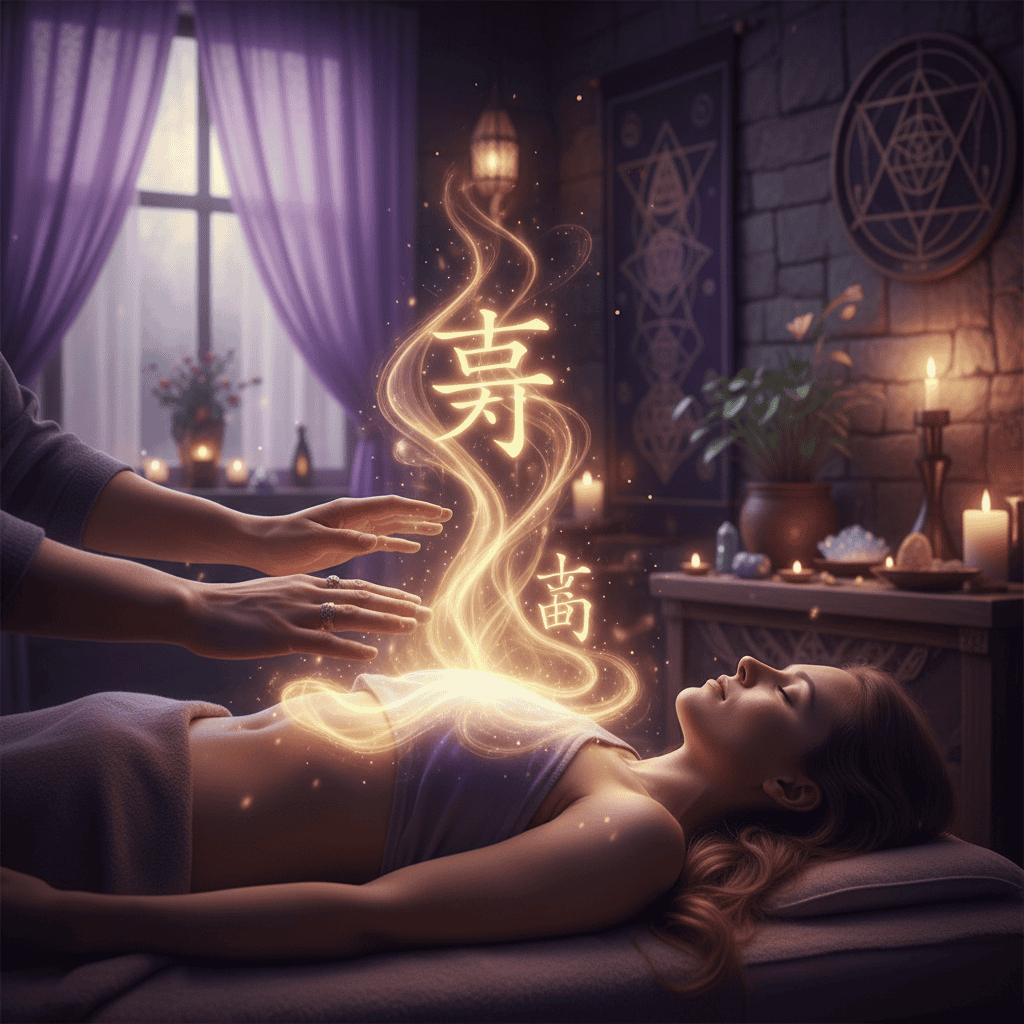
Reiki is a gentle Japanese energy healing modality that supports relaxation, emotional balance, and spiritual renewal. The word “Reiki” combines “rei” (universal) and “ki” (life energy)—it works with the subtle energy that flows through all living things. Practitioners use light touch or hands hovering above the body to encourage the flow of healing energy, helping to release blockages and restore harmony. But what does the research say about energy healing and inner work? And why is Reiki now offered in over 800 hospitals across the United States?
The Science Behind Energy Healing
While the mechanisms of Reiki are still being explored, clinical research has produced measurable outcomes. A 5-year study from a rural academic medical center found that hospitalized patients experienced immediate symptom relief after a single session of Reiki therapy. Patients reported reductions in pain, anxiety, and stress—suggesting that the practice engages real physiological and psychological pathways, not merely placebo.
In cancer care, Reiki has been studied in randomized controlled trials. One double-blinded study of 58 cancer patients found that Reiki produced significant decreases in pain and anxiety levels compared to both sham Reiki and progressive relaxation controls. At 3-month follow-up, patients in the Reiki group showed the lowest stress levels. These findings support Reiki’s use as a complementary nursing intervention in hospital settings.
Energy Healing and the Nervous System
Reiki appears to support the nervous system’s shift from a stressed, activated state into a restorative one. When we experience chronic stress, the sympathetic nervous system stays engaged—heart rate remains elevated, muscles hold tension, and the body has difficulty recovering. Energy healing modalities like Reiki may help activate the parasympathetic (“rest-and-digest”) response, allowing the body to repair, restore, and rebalance.
Many clients describe feeling deeply relaxed during and after sessions—some drift into a meditative or dreamlike state. This shift in consciousness often accompanies physical relaxation, suggesting that Reiki supports both body and mind in moving toward equilibrium.
Inner Work: Emotional and Spiritual Dimensions
Reiki is not only about physical relaxation. It supports inner work—the process of processing emotions, releasing held patterns, and connecting with something larger than the everyday self. Clients often report:
- Emotional release and clarity
- Reduced anxiety and overwhelm
- Greater sense of peace and centeredness
- Deeper connection to intuition and inner wisdom
This inner dimension is why Reiki appeals to people seeking not just stress relief, but meaning, purpose, and spiritual growth. The practice requires no belief system—it meets you where you are and supports whatever you bring to the session.
Who Benefits from Reiki
Reiki supports a wide range of needs. People come to energy healing for stress relief, emotional processing, burnout recovery, grief support, and as a complement to medical care. It is suitable for anyone—no experience or special preparation required. Whether you’re new to holistic wellness or deepening an existing practice, Reiki offers a gentle, non-invasive way to restore balance.
What to Expect in a Session
You’ll typically lie fully clothed on a comfortable table in a quiet space. The practitioner works with light or no-touch placement, moving through energy centers as you rest. Soft lighting and a peaceful atmosphere support deep relaxation. Sessions typically last 30–90 minutes. Most clients leave feeling calmer, lighter, and more grounded.
Experience Reiki in Arlington Heights at Sacred Ground—our holistic center offers energy healing sessions in a welcoming space designed for deep rest and renewal.